

Restaurant and Food Service Building Roofing starts with the condition of the roof in front of us
Commercial roofing for restaurants, fast food, breweries, and food service buildings.
Brann's Steakhouse and Grille has operated family-friendly full-service restaurants in the Grand Rapids, Michigan area for generations, with locations on 28th Street and in Wyoming that represent the kind of high-volume casual dining operation where the roof is put under continuous stress by kitchen exhaust systems, rooftop HVAC equipment, and the unforgiving West Michigan winter that deposits heavy snowfall and ice on every commercial building in the metro. A restaurant that serves a lunchtime rush and a dinner rush six or seven days a week cannot afford water infiltration that disrupts the dining room or contaminates food preparation areas, and the roof system that protects that operation must be maintained and replaced with a contractor who understands both the restaurant-specific demands and the Michigan climate challenges that converge on a single building.
Commercial kitchen exhaust grease contamination is the roofing challenge most specific to the restaurant building type, and it is one that is fully present on any high-volume steakhouse or casual dining kitchen that processes red meat and high-fat menu items. The Type I hood over the grill and fryer stations captures the majority of grease-laden vapors, but no exhaust system captures 100 percent - a portion always reaches the exhaust discharge stack and deposits on the roof surface around the penetration. In Grand Rapids, that grease deposit is then exposed to freeze-thaw cycling through the winter, which accelerates the breakdown of conventional membrane polymers in the contamination zone by alternately expanding and contracting the grease layer against the membrane surface.
The combination of cooking grease degradation in the exhaust zone and Michigan's freeze-thaw cycling on the broader membrane surface creates a multi-front roofing challenge for Grand Rapids restaurant operators. Our specification for West Michigan restaurant projects addresses both fronts: grease-resistant membrane or liquid-applied grease protection in the kitchen exhaust contamination zones, and an overall membrane selected for durability in freeze-thaw cycling throughout the rest of the roof. The two specifications must be compatible and must both fall within the scope of the membrane manufacturer's warranty to avoid creating exclusion zones at the boundaries between the two material systems.
Snow load is an additional restaurant-specific roofing concern in Grand Rapids that goes beyond the general structural issue that affects all flat-roof buildings. Restaurant kitchen exhaust creates warm air discharge conditions that can melt snow directly over the exhaust zone, creating a wet, heavy ice mass that is denser than normal snow accumulation. This localized load condition, if not accounted for in the structural assessment, can create deck deflection in the exhaust zone that affects drainage and membrane performance long after the snow melts. We assess the structural capacity of the deck in the exhaust zone during any pre-roofing inspection and flag any concern for structural engineer review before re-roofing proceeds.
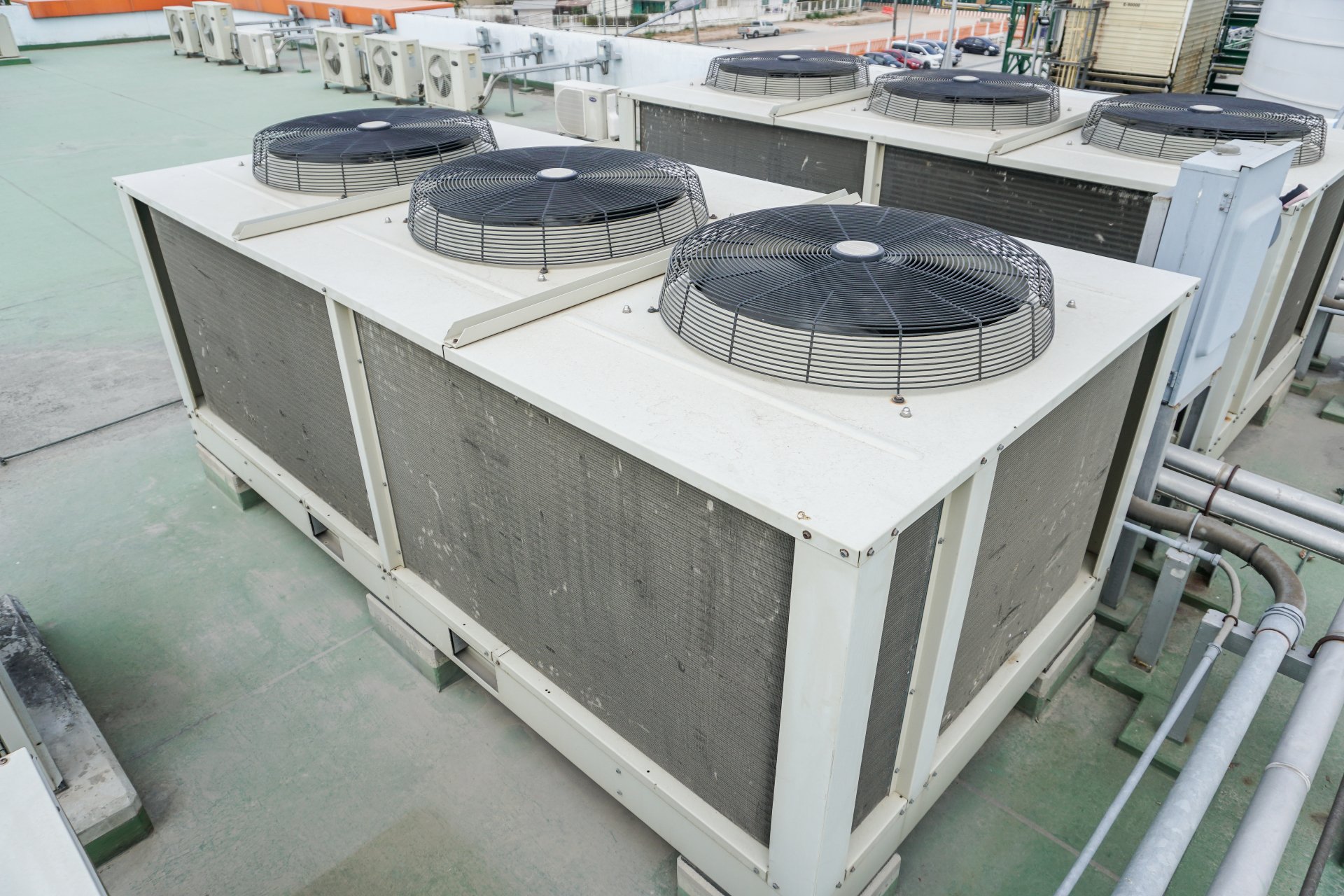
HVAC rooftop equipment on a Grand Rapids casual dining restaurant typically includes multiple kitchen make-up air units, dining room comfort conditioning units, and walk-in cooler condensing units. In Michigan's climate, the equipment curbs that support these units are particularly vulnerable to freeze-thaw cycling - water that infiltrates a curb flashing joint freezes and expands, progressively opening the joint until the curb connection is no longer watertight. Pre-fabricated HVAC curb flashings from the membrane manufacturer, with positive-drainage design that prevents water from pooling at the curb base, are the correct specification for all Grand Rapids restaurant rooftop equipment.
West Michigan's severe thunderstorm season brings hail events that can damage restaurant roofs and rooftop equipment simultaneously. A hail event that punctures the membrane also impacts unprotected HVAC equipment cabinets and exhaust fan shrouds, creating both roofing damage and equipment maintenance issues in a single storm. Our post-hail inspection for Grand Rapids restaurant clients covers both the roofing membrane condition and the condition of all rooftop equipment housings, providing a comprehensive assessment that supports insurance claims across both damage categories.
Questions We Answer Before Work Starts
How do you decide whether Restaurant and Food Service Building Roofing needs repair or replacement?
We start with roof condition, moisture concerns, drainage, age, access, and recurring leak history. Repair is recommended when it solves the problem cleanly. Replacement is discussed when repeated repairs are only chasing symptoms.
Can the building stay open during restaurant and food service building roofing work?
Most commercial roof work can be staged around an active building when access, loading, noise, odors, and end-of-day dry-in are planned before crews arrive.
What do owners receive after an inspection?
Typical documentation includes photos, notes on membrane and metal conditions, drain observations, repair priorities, and a practical next-step recommendation.