

Data Center Roofing need roof information that supports operating decisions
We handle data center roofing with the kind of field documentation, roof access planning, and storm-aware scope control commercial buildings in Grand Rapids need.
Grand Rapids has developed a data center market driven by the region's strong healthcare, financial services, and manufacturing sectors. Spectrum Health - one of Michigan's largest health systems, now operating as Corewell Health - maintains significant data center infrastructure supporting electronic health records, clinical analytics, and the connected patient care systems that a major regional health network requires. West Michigan's computing hubs extend across a network of financial services companies, industrial manufacturers, and the regional facilities of national firms that have chosen Grand Rapids as a Midwest operational base. The combination of anchor healthcare computing and growing enterprise data center demand makes Grand Rapids a significant and expanding market for specialized commercial roofing services.
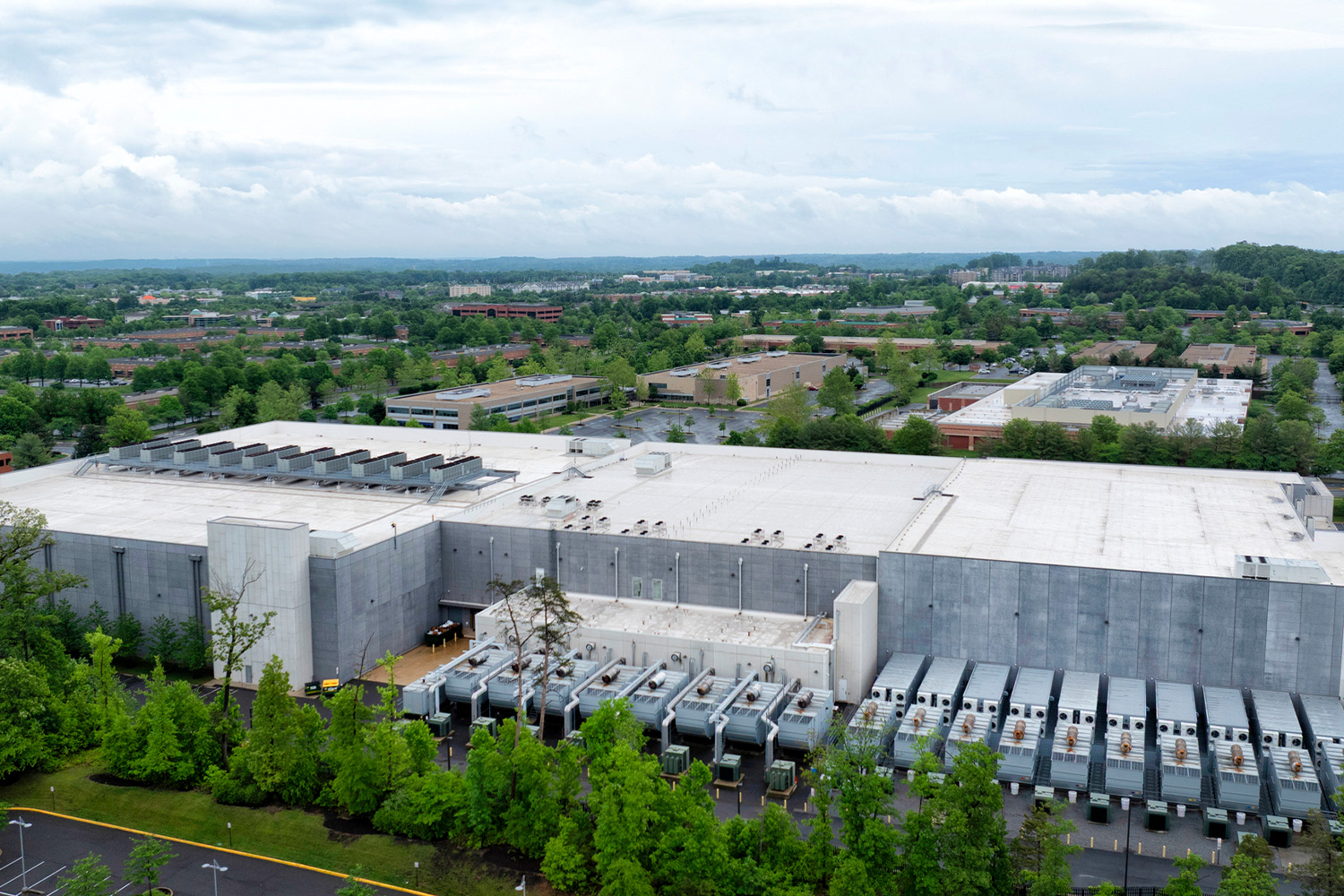
Michigan's Great Lakes climate creates a formidable performance environment for data center roofing. Grand Rapids receives some of the heaviest lake-effect snowfall of any major US metro area, with Lake Michigan storm tracks regularly delivering intense, localized snowfall events that can accumulate several feet of snow on commercial rooftops in a matter of hours. Data center roofs loaded with rooftop cooling equipment must carry both the equipment dead loads and these variable, unpredictable snow accumulations simultaneously. This means that snow drift accumulation patterns - particularly in the zones downwind of rooftop equipment and at roof level changes - must be calculated during structural and roofing system design, and that continuous structural monitoring during extreme snow events is a prudent operational practice for data center facility managers.
Spectrum Health's data center infrastructure requirements reflect the healthcare sector's unique combination of regulatory mandates and operational criticality. Healthcare data centers must comply with HIPAA's infrastructure protection requirements, which extend to physical security and environmental protection of the building envelope. A roof leak that reaches computing infrastructure storing protected health information can trigger not just equipment damage but regulatory reporting obligations and potential fines. This regulatory context gives healthcare data center operators strong motivation to invest in high-quality roofing systems and maintenance programs, and roofing contractors who understand the regulatory environment their healthcare clients operate in are better positioned to make the case for premium specifications and comprehensive maintenance contracts.
West Michigan's manufacturing base creates computing infrastructure demand that extends beyond the metro core. Grand Rapids is surrounded by a network of advanced manufacturers - furniture, automotive components, medical devices, and food processing equipment - that have invested heavily in enterprise resource planning systems, IoT manufacturing networks, and supply chain analytics platforms. The computing infrastructure supporting these manufacturers is often housed in the manufacturing facilities themselves, in on-premise data rooms or small data centers that share the building with production operations. Roofing contractors who understand the specific requirements of data rooms embedded within industrial buildings - particularly the thermal management and vapor control needs that differ from the production floor environment - serve an important niche in the West Michigan market.
Freeze-thaw cycling is the primary membrane stress driver for Grand Rapids data center roofs. The city typically experiences well over 100 freeze-thaw cycles per year, with the greatest frequency occurring in the October-November and March-April shoulder seasons when daily temperatures cross the freezing point repeatedly. Each freeze-thaw cycle stresses membrane seams, flashing bonds, and penetration details through the expansion and contraction of water that infiltrates any weakness in the roofing system. Data center roofing specifications for Grand Rapids must prioritize seam quality, flashing execution, and penetration detailing over cost, as the region's freeze-thaw intensity will expose any installation deficiency over a relatively short service period.
Vapor management at Grand Rapids data centers requires careful design given the region's highly variable humidity. Summer outdoor humidity creates inward vapor drive toward cooled data center interiors, while the winter heating season creates complex vapor dynamics in buildings where data center spaces are cooled while adjacent spaces are heated. For data centers embedded within office or industrial buildings, the vapor control strategy must account for the full building envelope condition, not just the data center module. Roofing contractors who bring hygrothermal analysis capability to these projects can help building owners understand the moisture performance implications of different roofing assembly configurations and make informed decisions about vapor retarder specification and placement.
Questions We Answer Before Work Starts
How do you decide whether Data Center Roofing needs repair or replacement?
We start with roof condition, moisture concerns, drainage, age, access, and recurring leak history. Repair is recommended when it solves the problem cleanly. Replacement is discussed when repeated repairs are only chasing symptoms.
Can the building stay open during data center roofing work?
Most commercial roof work can be staged around an active building when access, loading, noise, odors, and end-of-day dry-in are planned before crews arrive.
What do owners receive after an inspection?
Typical documentation includes photos, notes on membrane and metal conditions, drain observations, repair priorities, and a practical next-step recommendation.