

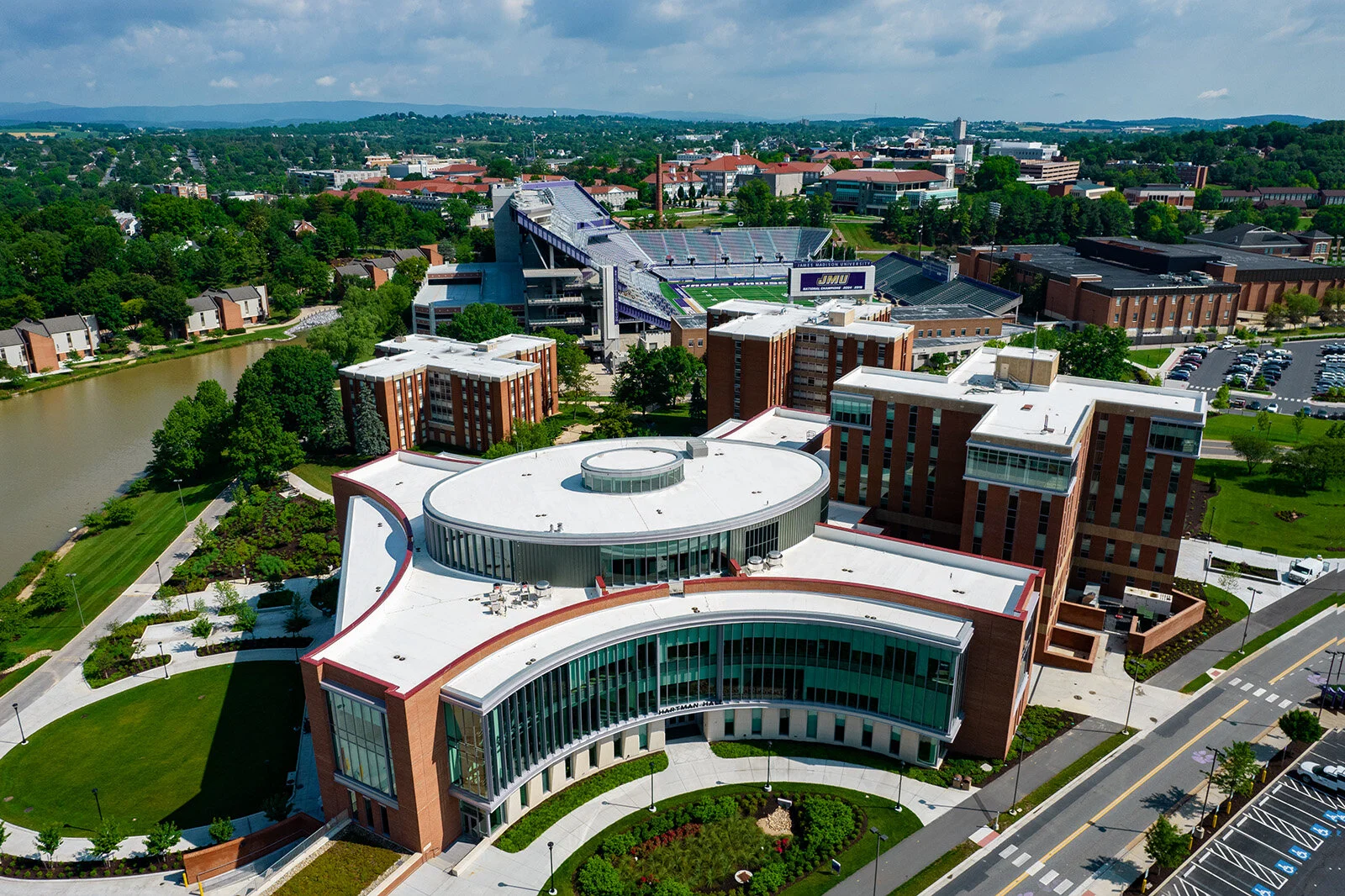
K-12 / Higher Education Facilities need roof information that supports operating decisions
We handle k-12 / higher education facilities with the kind of field documentation, roof access planning, and storm-aware scope control commercial buildings in Grand Rapids need.
Byron Center and Cutlerville warehouses near US-131, 76th Street, and M-6 shapes how we approach k-12 / higher education facilities because roof work in Grand Rapids rarely happens in a blank warehouse with unlimited access. We look at summer work, student routes, and public bid documentation, then tie that condition to school and campus teams aligning roofing with calendars and safety plans. The first walk is practical: we confirm roof entry, drainage, membrane age, visible storm patterns, and the parts of the building that cannot tolerate water, dust, odor, noise, or surprise shutdowns.
Grandville retail and service buildings around Rivertown Parkway, Chicago Drive, and Wilson Avenue also matters on k-12 / higher education facilities because crews need a plan before material lands on site. We map deck condition, insulation thickness, cover board choice, and attachment pattern before we talk about a final scope. If a roof can be repaired cleanly, we say so. If wet insulation, deck corrosion, or repeated movement has pushed the building past repair economics, we document that condition with enough detail for ownership, management, and insurance conversations.
Wyoming commercial roofs along 28th Street, Clyde Park Avenue, Burlingame Avenue, and the M-6 side gives k-12 / higher education facilities a different rhythm than a generic flat-roof job. Delivery paths, staging space, and occupied-building rules change the labor plan. We build the schedule around the building first, then work backward into manpower, safety lines, debris handling, and temporary weather protection. A good roof scope is not only a membrane choice; it is a sequence that keeps the facility operating while the roof is open.
Spring and summer thunderstorm winds test coping, gutters, fascia, scuppers, and mechanically attached membrane perimeters is one reason we spend real time at seams, penetrations, and perimeter metal. A hail bruise, loose coping joint, or cracked pipe boot can sit quietly until the next freeze-thaw cycle pushes water into insulation. For k-12 / higher education facilities, we separate emergency water control from permanent work, because a fast patch over trapped moisture creates a second failure that is harder to diagnose later.
Short dry windows after storms are useful for infrared scans, moisture checks, and documenting hail or wind patterns before repairs hide evidence affects the budget conversation for k-12 / higher education facilities. On a recoverable roof, the smarter move may be moisture mapping, targeted repairs, reinforcement, and a coating or overlay system. On a roof with saturated insulation or a questionable deck, the economical answer may be tear-off and replacement even when the first estimate looks larger. We show both paths when both are real options, including the operational cost of doing the job twice.
Our field notes for k-12 / higher education facilities include measurements, core cuts when appropriate, drain observations, roof traffic patterns, curb conditions, and photos that can be read by someone who was not on the roof. That record helps a property manager explain why one area needs immediate repair while another can wait for the next budget cycle. It also helps an owner avoid vague proposals that hide missing insulation, missing overflow drainage, or unclear edge-metal scope.
Questions We Answer Before Work Starts
How do you decide whether K-12 / Higher Education Facilities needs repair or replacement?
We start with roof condition, moisture concerns, drainage, age, access, and recurring leak history. Repair is recommended when it solves the problem cleanly. Replacement is discussed when repeated repairs are only chasing symptoms.
Can the building stay open during k-12 / higher education facilities work?
Most commercial roof work can be staged around an active building when access, loading, noise, odors, and end-of-day dry-in are planned before crews arrive.
What do owners receive after an inspection?
Typical documentation includes photos, notes on membrane and metal conditions, drain observations, repair priorities, and a practical next-step recommendation.