

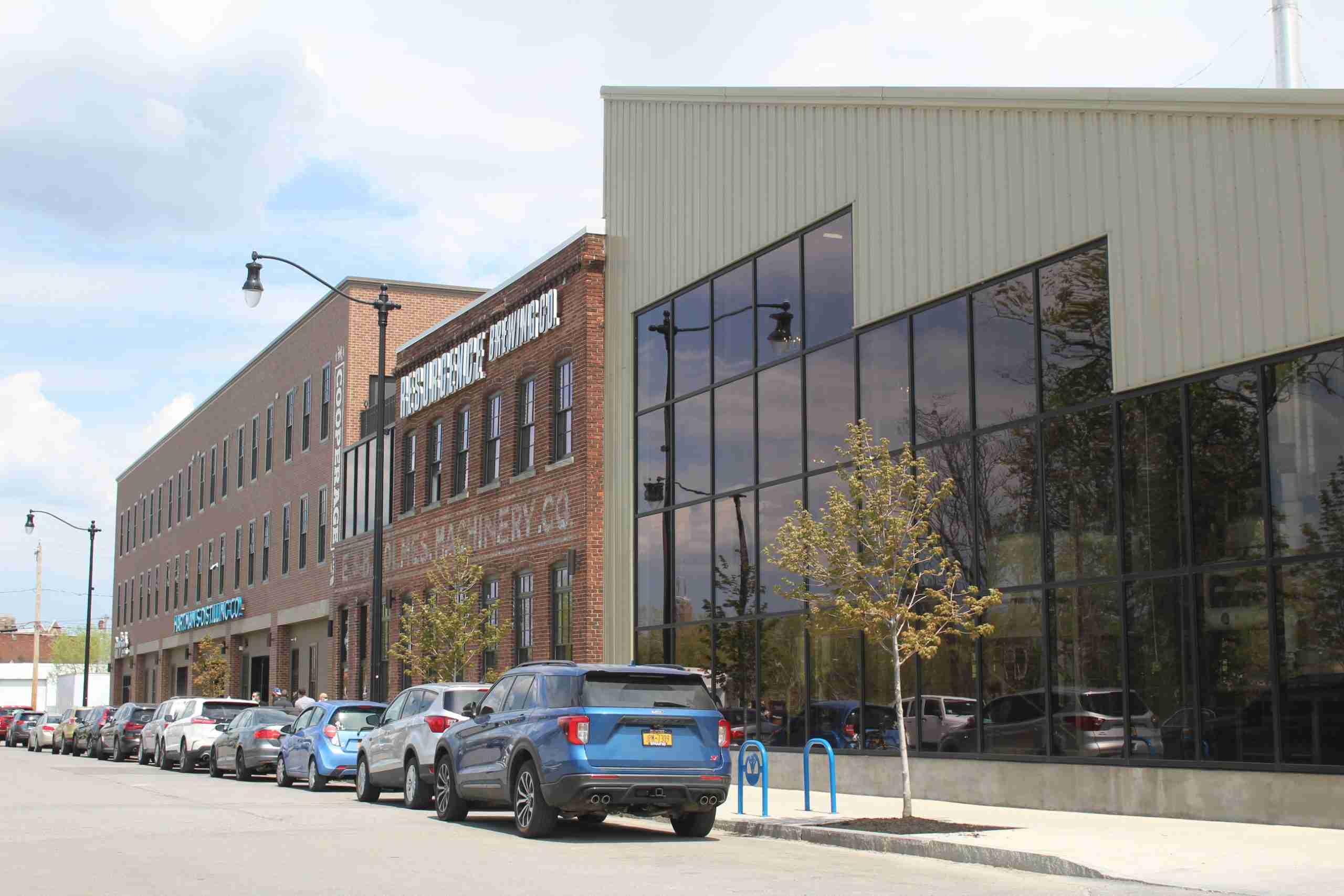
Brewery, Distillery & Food Production Roofing changes access, staging, and risk below the roof
Commercial roofing for brewery, distillery & food production roofing in Grand Rapids, MI - specifications, scheduling, and project coordination for this building type.
Documentation for brewery and distillery roofing in Grand Rapids serves the property's risk management file in ways that a standard commercial closeout package doesn't fully address. Production facilities have regulatory compliance profiles - TTB (Alcohol and Tobacco Tax and Trade Bureau) for distilleries, FDA for beverage producers - that can be affected by construction activity. A facility closure required by a roofing failure during production season has business interruption consequences that dwarf the repair cost. We treat the documentation trail as protection against the business interruption scenario, not just as a warranty compliance obligation.
Chemical compatibility documentation is a closeout requirement for brewery and distillery roofing in Grand Rapids that most contractors don't anticipate. The facility's equipment maintenance records should include documentation of the roofing membrane's chemical resistance to the specific sanitizing agents used in the production process. If a future warranty claim arises and the manufacturer's investigation reveals that the membrane was exposed to a chemical not covered by the specified product's chemical resistance profile, the warranty may be voided. We provide the membrane manufacturer's chemical resistance data sheet as a standard closeout deliverable, organized by the chemical categories used in the facility.
Warranty terms for brewery and distillery roofing in Grand Rapids carry an additional consideration beyond standard commercial warranty language: food safety. If the roof system fails and allows water infiltration into a production area, the contaminated production run is a loss - and the cleanup and sanitization required before production can resume is an additional cost. A correctly specified, fully warranted roof system with documented annual inspection protects the production environment. We include roof maintenance program enrollment as a standard recommendation at every production facility closeout.
Most membrane manufacturers exclude warranty coverage for membranes damaged by chemical exposure that wasn't disclosed and accounted for in the specification. Caustic soda, peracetic acid, and strong hypochlorite solutions can damage non-chemical-resistant grades of TPO if concentrated exposure occurs at roof surfaces - for example, if a cleaning operation overflows through a drain and pools on the membrane. We specify chemical-resistant membrane grades for brewery applications and document the chemical resistance data in the closeout package so the warranty file reflects the exposure conditions anticipated at the facility.
Our brewery roofing closeout package includes: building permit and final inspection certificate, manufacturer warranty registration with chemical resistance data sheet, installation log with application records and product batch numbers, photographic documentation of all exhaust penetrations, drain installations, and curb details, equipment load confirmation from the structural engineer of record (if new loads were added), vapor retarder design documentation, and an annual inspection schedule tailored to the facility's production chemistry. The package is formatted for both the property's asset management file and the production facility's regulatory compliance file.
A roofing failure that contaminates a production batch typically falls under the property policy's business interruption coverage - the value of the lost production run plus the remediation and restart costs. Whether the roofing contractor's liability insurance contributes depends on whether the failure was within the contractor's warranty scope. A correctly warranted, correctly specified roof system reduces the brewery's exposure to this risk by ensuring that failures during the warranty period are remediated at contractor cost. We recommend that brewery operators confirm their business interruption policy includes production contamination events in its covered losses.
Questions We Answer Before Work Starts
How do you decide whether Brewery, Distillery & Food Production Roofing needs repair or replacement?
We start with roof condition, moisture concerns, drainage, age, access, and recurring leak history. Repair is recommended when it solves the problem cleanly. Replacement is discussed when repeated repairs are only chasing symptoms.
Can the building stay open during brewery, distillery & food production roofing work?
Most commercial roof work can be staged around an active building when access, loading, noise, odors, and end-of-day dry-in are planned before crews arrive.
What do owners receive after an inspection?
Typical documentation includes photos, notes on membrane and metal conditions, drain observations, repair priorities, and a practical next-step recommendation.