

Movie Theater & Cinema Roofing changes access, staging, and risk below the roof
Wide column-free auditorium decks, a rooftop packed with HVAC, and an audience that notices every sound. Cinema roofing has its own rulebook, and we work to it.
A cinema roof is defined by what is not under it: columns. Each auditorium is a large clear-span box, and a multiplex with eight to twelve screens carries roof spans of roughly 80 to 150 feet per bay with nothing in the middle to break them up. Those long-span decks deflect under load in ways a chopped-up retail roof never does, and a fastening pattern borrowed from a strip center will work the seams loose over time. We set fastener density and insulation attachment to the actual deck type and span on the building, not to a generic template, because the structure here behaves differently from almost anything else in the commercial inventory.
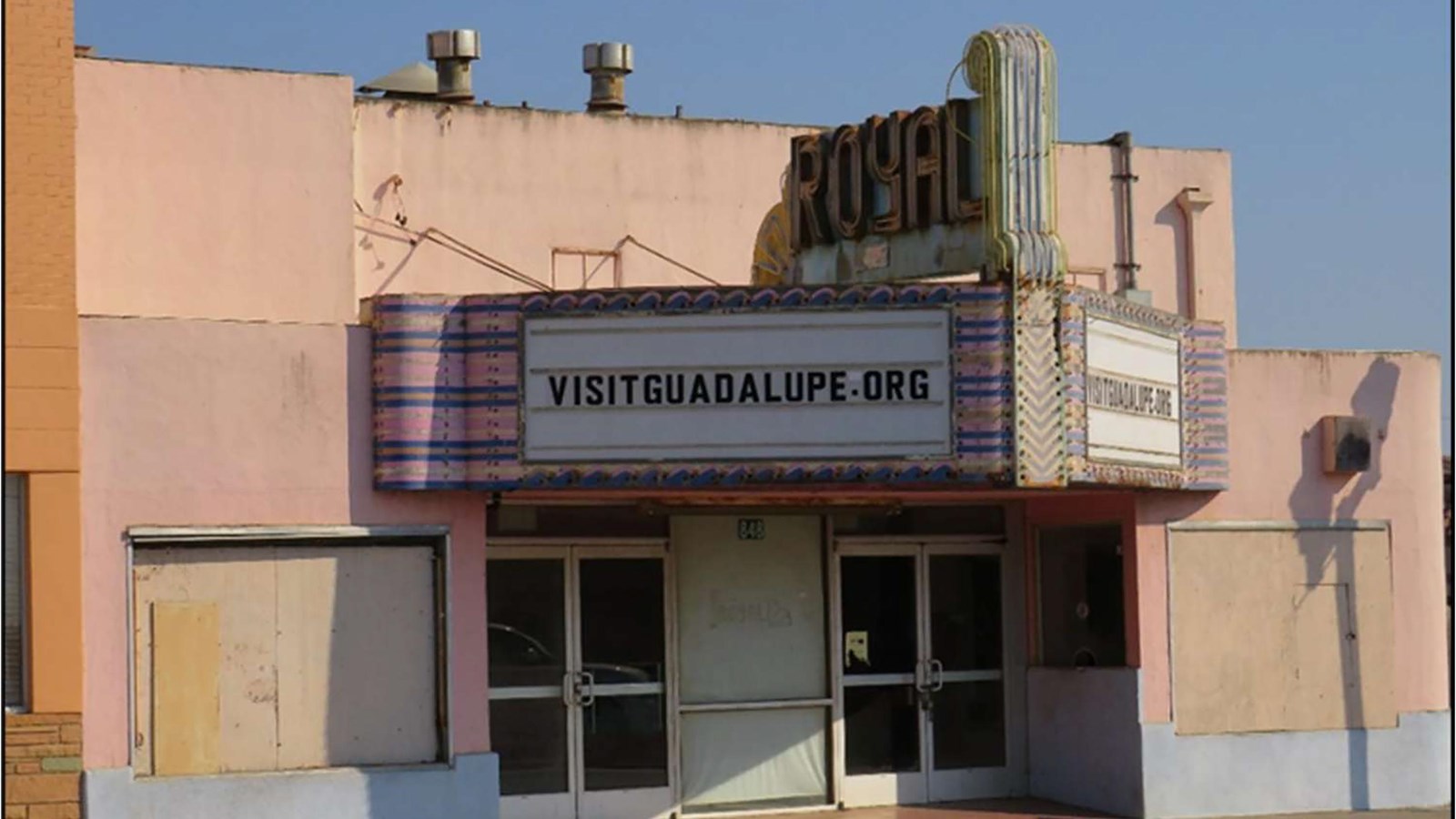
Grand Rapids has a healthy mix of cinema buildings, which keeps this a real niche locally. The big-format multiplexes sit out in the retail belts, like the Celebration Cinema sites near RiverTown Crossings in Grandville and along the Knapp's Corner and East Beltline retail corridor, while downtown carries the historic Civic and independent screens around the Heartside and Monroe Center districts. The newer suburban boxes are large low-slope decks loaded with rooftop equipment, and the older downtown houses bring legacy decks and chronic entry-canopy leaks. Both kinds need a roofer who plans around show times.
People picture a theater as one big empty box, but the roof tells a different story. Each auditorium typically has its own dedicated rooftop HVAC unit, and on top of that you have concession exhaust, lobby heating vents, and condensers for the walk-in coolers behind the food service. The penetration cluster over a typical multiplex rivals what we see on a hospital or a data center. Before any new membrane goes down, every curb, duct penetration, and conduit run gets flashed and documented on its own, because that field of penetrations is where these roofs leak.
A cinema sells an experience that depends on what the audience does not hear. Rain drumming on a poorly built low-slope deck, or HVAC noise transmitting through a thin assembly, undercuts the whole point of the room. We treat the insulation assembly as acoustic as well as thermal, keeping continuity across the deck and detailing rooftop equipment curbs so vibration and airborne noise do not telegraph into the auditorium below. On a building where the product is immersion, a roof that stays quiet is doing real work.
Cinemas are usually steel deck over structural steel, or a concrete deck on steel framing, and the two substrates take membrane differently. Steel deck accepts mechanical attachment directly, sized to the rib depth and gauge, where older short-rib deck has lower pull-out values than modern 3-inch rib. Concrete deck pushes us toward adhered or, where structure allows, ballasted systems. On any reroof we start with a core sample to confirm the existing insulation layers, moisture content, and total weight-in-place before we decide between a recover and a full tear-off.
Theater roofs share a quiet problem: almost no one goes up there between service calls, so drainage trouble builds for years before anyone notices. A long-span deck that has deflected slightly over time, combined with insulation that was laid dead-flat originally, leaves wide low areas where water sits after every rain. In Grand Rapids that standing water freezes and thaws through the winter, working the membrane and the seams, and the added weight of ponded water and snow on an already-deflected span is the last thing those bays need. Most of the multiplex reroofs we scope here include a tapered insulation design specifically to break up that ponding and move water to the drains, because solving the drainage is what actually buys the new membrane its full service life.
Questions We Answer Before Work Starts
How do you decide whether Movie Theater & Cinema Roofing needs repair or replacement?
We start with roof condition, moisture concerns, drainage, age, access, and recurring leak history. Repair is recommended when it solves the problem cleanly. Replacement is discussed when repeated repairs are only chasing symptoms.
Can the building stay open during movie theater & cinema roofing work?
Most commercial roof work can be staged around an active building when access, loading, noise, odors, and end-of-day dry-in are planned before crews arrive.
What do owners receive after an inspection?
Typical documentation includes photos, notes on membrane and metal conditions, drain observations, repair priorities, and a practical next-step recommendation.